


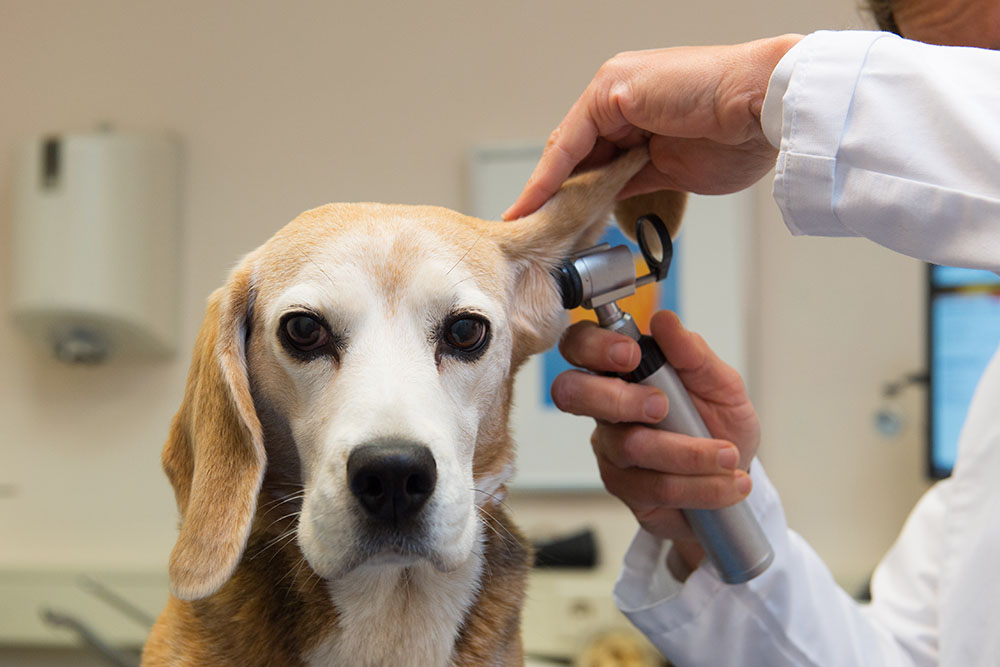
Why Some Dogs Are Prone to Recurring Ear Infections
For many families, ear infections become a familiar cycle: treatment helps for a little while, then the odor, scratching, and discharge return. Dogs that swim, play outdoors, or have underlying allergies are especially prone to repeat problems. Breaking the cycle requires identifying and managing the cause, not just the symptoms.
Palm City Animal Medical Center in Palm City, FL, combines dermatology expertise with advanced diagnostics like CT scans and in-house labs to create long-lasting solutions.
Why Dog Ear Infections Are Frequently More Than a One-Time Issue
The anatomy of your dog’s ear plays a significant role in repeat infection susceptibility.
- Dogs with floppy ears, like Golden Retrievers or Cocker Spaniels, create a warm, moist environment that bacteria and yeast find irresistible.
- The L-shaped ear canal traps moisture and debris, making it difficult for natural cleaning mechanisms to work effectively.
- Dogs who swim regularly or live in humid climates face additional challenges as excess moisture creates the perfect breeding ground for pathogens.
Beyond anatomical factors, underlying health conditions often drive recurring infections.
Allergies rank as the most common culprit, causing inflammation that disrupts the ear’s natural protective barriers. When the immune system overreacts to environmental allergens or food proteins, the resulting inflammation makes ears vulnerable to bacterial and fungal overgrowth.
Hormonal disorders like hypothyroidism and Cushing’s disease also predispose dogs to ear problems by altering skin health and immune function. These conditions change the ear’s microenvironment, making it easier for opportunistic infections to take hold.
Foreign objects present another serious concern. Foxtails and grass seeds can migrate deep into the ear canal, causing intense irritation and secondary infections. These plant materials are particularly problematic because they work their way deeper over time, making removal challenging without veterinary intervention.
Types of Ear Infections
- Otitis externa affects the outer ear canal and represents the most common type of ear infection in dogs. Signs include head shaking, scratching, redness, discharge, and that unmistakable odor that many pet owners recognize immediately. The discharge may appear brown, yellow, or black depending on whether bacteria, yeast, or both are involved.
- More serious infections can progress to otitis media and interna, affecting the middle and inner ear structures. These deeper canine ear infections can cause balance problems, hearing loss, and neurological symptoms. Dogs with chronic otitis externa face higher risks of progression, making early intervention crucial.
3 Tips to Reduce the Risk of Recurring Ear Infections in Dogs
1. Routine Ear Care
Regular ear cleaning forms the foundation of prevention, but technique matters more than frequency. It’s essential to use veterinary-approved ear cleaners rather than home remedies that might disrupt the ear’s natural pH balance. Clean ears weekly for most dogs with chronic ear issues, but those prone to infections may need more frequent attention.
Food allergies often manifest as ear infections, making dietary management essential for some dogs. Identifying food allergies through elimination diet trials can break the cycle of recurring infections. Common culprits include beef, chicken, dairy, and wheat, though any protein or carbohydrate can potentially trigger reactions.
2. Environmental Management
Swimming dogs need special attention to moisture management. After water activities, gently dry the outer ear and consider using a veterinary-approved drying agent. Avoid using cotton swabs deep in the ear canal, as this can push debris further down or damage delicate structures.
For dogs who love outdoor adventures, regular inspection becomes critical. Check ears after hikes or play sessions in tall grass, looking for plant material, dirt, or signs of irritation. Early removal of foreign objects prevents the inflammation that leads to secondary infections.
3. Diet and Nutrition
Research shows that nutrition impacts dermatitis and overall skin health, including ear health. Omega-3 fatty acids support skin barrier function, while high-quality proteins provide building blocks for healthy tissue. Some dogs benefit from hypoallergenic diets that eliminate common allergens, reducing overall inflammation.
How Vets Diagnose Ear Infections in Dogs
Signs and Symptoms
Early detection makes treatment more effective and prevents complications. Watch for head shaking, especially if it seems excessive or occurs suddenly. Scratching at the ears often leaves marks around the ear flap, and you might notice your dog tilting their head to one side. Discharge ranges from waxy brown material to thick, pus-like fluid, often accompanied by a strong, unpleasant odor.
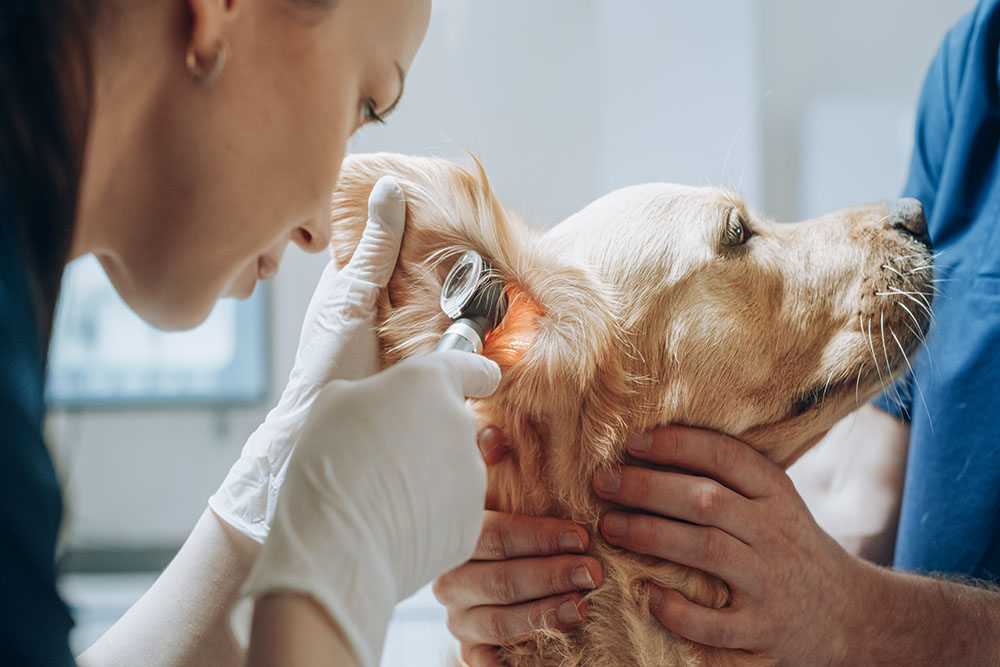
Professional veterinary examination provides crucial information that owners cannot obtain at home. Advanced diagnostic tools like CT scans, available at Palm City Animal Medical Center, can reveal the extent of infection and identify structural abnormalities that contribute to recurring problems.
Advanced Diagnostics
Veterinary ear cytology involves examining ear discharge under a microscope to identify specific bacteria, yeast, or inflammatory cells. This information guides targeted treatment rather than broad-spectrum approaches that may not address the actual pathogens involved.
In-house laboratory testing provides rapid results, allowing veterinarians to adjust treatment plans immediately rather than waiting days for external lab results. This speed becomes particularly important for dogs with recurring infections who need precise, targeted therapy.
The Effective Ways Vets Treat Canine Ear Infections
Medical Treatments
Treatment approaches vary based on the specific pathogens involved and the severity of infection. Proper medication techniques that ensure drugs reach affected ear areas. Topical canine ear medications work well for superficial infections, while systemic antibiotics may be necessary for deeper or more extensive problems.
For dogs with chronic, severe infections that don’t respond to medical management, surgical options exist. Total Ear Canal Ablation (TECA) removes the entire ear canal, eliminating the source of recurring infections. While this procedure affects hearing, it can dramatically improve the quality of life for dogs with painful, chronic ear disease.
Living with a Dog Prone to Ear Infections
The Importance of Building a Veterinary Relationship
Regular check-ups at Palm City Animal Medical Center allow veterinarians to monitor ear health and catch problems early. Establishing baseline ear cytology results helps track changes over time and guides preventive strategies.
Emergency and critical care services become invaluable when infections flare suddenly or complications develop. Having established veterinary relationships ensures continuity of care and familiarity with your dog’s specific needs and medical history.
Managing Challenges and Complications
Chronic ear infections can lead to complications like ear hematomas, where blood accumulates between ear cartilage layers due to excessive head shaking. These require prompt veterinary attention to prevent permanent ear deformity.
Consistency in care management makes the difference between controlled and recurring infections. This includes maintaining medication schedules, following up with veterinary appointments, and monitoring for early signs of problem recurrence.
Taking Control of Your Dog’s Ear Health
Understanding the underlying causes of ear infections empowers you to break the cycle of recurring problems rather than simply treating symptoms as they appear. With proper veterinary support, most dogs with chronic ear issues can achieve long-term comfort and health.
If your dog shows signs of head shaking, ear odor, discharge, or seems uncomfortable around their ears, don’t wait for the problem to worsen. Early intervention prevents complications and reduces treatment complexity. Palm City Animal Medical Center offers comprehensive diagnostic services including CT scans and in-house laboratory testing to identify the root cause of recurring infections. Call (772) 283-0920 to schedule an examination and take the first step toward lasting ear health for your dog.



Leave A Comment