


Separation Anxiety in Pets: Recognizing the Signs Early
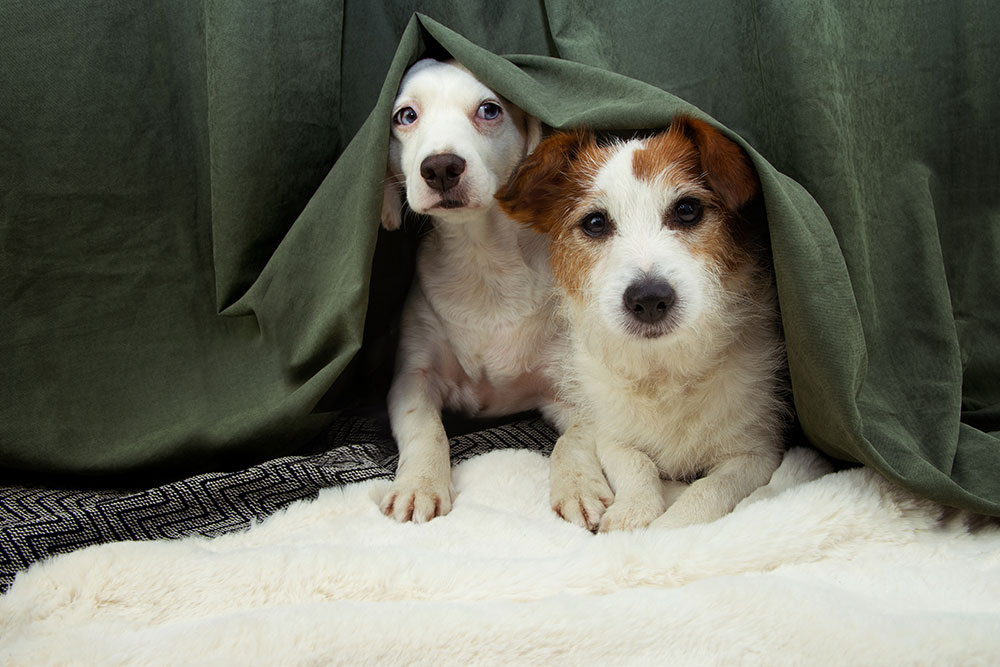
Many cases of separation anxiety go unnoticed until a pet starts showing destructive or distressing behaviors. By recognizing early warning signs- such as clinginess, pacing, or vocalizing when you prepare to leave- owners can take steps before anxiety escalates. Addressing these behaviors early can make recovery smoother and prevent long-term emotional strain on your pet.
At Palm City Animal Medical Center, we understand that behavioral health is just as important as physical health. Our team offers comprehensive behavioral consultations to help pets and their families navigate separation anxiety with compassionate, evidence-based support.
What Separation Anxiety Really Means for Your Pet
Separation anxiety is not stubbornness or spite. It’s a genuine stress response triggered when a pet is left alone or separated from their primary caregiver. Dogs and cats experiencing this condition feel genuine panic, similar to a human having an anxiety attack.
Separation anxiety in dogs manifests through behaviors such as excessive barking, destructive chewing, house soiling, drooling, pacing, and attempts to escape. Cats may hide, stop eating, over-groom, or vocalize excessively when left alone. Understanding separation anxiety in pets helps owners recognize that these behaviors stem from distress rather than defiance.
Common signs of separation anxiety include:
- Vocalizing or whining when you prepare to leave
- Following you from room to room
- Destructive behavior focused on doors or windows
- Accidents in the house despite being housetrained
- Excessive salivation or panting
- Refusal to eat when alone
If your pet shows these signs, a thorough evaluation can help determine whether anxiety, a medical issue, or another behavioral problem is at play. Our veterinary care services include complete assessments to rule out underlying health conditions that may mimic or worsen anxiety.
Why Some Pets Develop Separation Anxiety
Understanding the root causes of anxiety helps owners prevent and manage it more effectively. Changes in routine, such as returning to work after extended time at home, moving to a new house, or changes in family structure, can trigger anxiety in previously calm pets.
Traumatic experiences, including rehoming, shelter stays, or prolonged isolation, increase the likelihood of developing separation-related distress. Poor early socialization also plays a role. Pets that weren’t exposed to alone time during critical developmental periods may struggle with independence later in life.
Research on behavioral problems in dogs shows that genetics, temperament, and early experiences all contribute to anxiety susceptibility. The importance of socialization of puppies and kittens cannot be overstated. Gradual, positive exposure to being alone during the first few months of life builds confidence and resilience.
Prevention starts early. If you’ve recently adopted a puppy or kitten, our wellness care programs include guidance on socialization, routine building, and anxiety prevention tailored to your pet’s developmental stage.
Building Confidence Through Positive Training Methods
Humane, reward-based training forms the foundation of anxiety management. Punishment worsens fear and damages trust, while positive dog training methods teach pets to associate alone time with calmness and safety.
Desensitization involves gradually increasing the duration of absences, starting with just seconds and building up over weeks. Leave the room briefly, return before your pet becomes anxious, and reward calm behavior. Over time, your pet learns that departures are temporary and non-threatening.
Counter-conditioning pairs alone time with positive experiences. Offer a special treat or puzzle toy only when you leave, creating a positive association with your departure. Consistency and patience are essential. Progress may be slow, but small victories add up.
Use calm, neutral energy during arrivals and departures. Dramatic goodbyes and enthusiastic greetings reinforce the idea that your presence is the only time your pet should feel secure. Instead, ignore your pet for a few minutes before leaving and after returning, then offer quiet affection once they’ve settled.
Our experienced team provides behavioral health support to guide you through training protocols, troubleshoot challenges, and adjust plans as your pet progresses.
Keeping Your Pet Mentally Engaged and Confident
Mental stimulation reduces boredom and builds independence. Enrichment activities keep your dog’s mind occupied and help them feel confident when alone.
Incorporate dog enrichment ideas into your daily routine. Puzzle feeders slow down mealtimes and provide problem-solving challenges. Sniff games, where you hide treats around the house, engage your dog’s natural foraging instincts and tire them mentally. Rotating toys weekly prevents boredom and keeps activities novel. Structured indoor enrichment for dogs includes activities like scent work, obedience training, and interactive play. Physical exercise before departures helps release pent-up energy, making it easier for your dog to settle down once you leave.
Cats experience separation anxiety differently than dogs, but they benefit equally from environmental enrichment and predictable routines. Creating a cat-friendly environment involves more than just toys. Providing climbing spaces, hiding spots, and vertical territory helps cats feel secure and in control of their environment. Food-dispensing toys encourage natural hunting behaviors and keep cats engaged during alone time. Interactive play sessions before you leave help tire your cat physically and mentally. Use wand toys to mimic prey movements, allowing your cat to stalk, pounce, and “catch” their target. A tired, satisfied cat is more likely to rest peacefully while you’re away.
Medical and Sensory Support for Severe Anxiety
In cases where training and enrichment alone aren’t enough, medical and sensory interventions can provide additional relief. These tools work best alongside behavior modification, not as replacements for it.
Pheromone diffusers release calming scents that mimic natural comfort signals. Adaptil for dogs and Feliway for cats reduce environmental stress and promote relaxation.
Nutraceuticals such as L-theanine, alpha-casozepine, and calming probiotics support emotional balance without sedation. These supplements work gradually and are most effective when started before anxiety becomes severe.
For pets with intense anxiety, prescription medications may be necessary. Anti-anxiety medications help reduce panic responses, making it possible for pets to learn new coping skills through training. Medication is not a long-term solution on its own but can be a valuable part of a comprehensive treatment plan.
Our veterinary team can evaluate your pet’s specific needs and recommend appropriate interventions. Whether you need guidance on calming aids or a complete anxiety management plan, we’re here to help.
Practical Strategies for Daily Success
Small changes in your daily routine can make a significant difference in your pet’s comfort level. Start by practicing short departures. Leave for just a few minutes, return calmly, and gradually extend the time as your pet becomes more comfortable.
Use consistent cues to signal departures. A simple phrase like “I’ll be back” helps your pet understand that your absence is temporary. Avoid lengthy goodbyes or apologetic tones, which can increase anxiety.
Provide exercise before leaving. A tired pet is a calmer pet. Morning walks, play sessions, or training exercises help release energy and promote relaxation during alone time.
Avoid dramatic greetings when you return. Wait until your pet is calm before offering attention. This reinforces the idea that your presence is normal and expected, not an event worth becoming overly excited about.
Progress takes time. Some pets improve within weeks, while others need months of consistent effort. Patience, persistence, and professional guidance increase the likelihood of success.
When Your Pet Can’t Stay Home Alone
For some pets, being left alone is simply too distressing. Quality boarding and daycare facilities give anxious pets the comfort, engagement, and supervision they need when home alone isn’t an option. At Palm City Animal Medical Center, The Resort offers world-class boarding, daycare, and grooming for dogs and cats- all with veterinary oversight for complete peace of mind.
Snips & Snoozes is more than a boarding facility; it’s an extension of the hospital’s commitment to total wellness. Pets can enjoy standard or luxury suites, with the luxury option featuring windows, TVs, themed murals, plush bedding, toys, and even a fountain. Owners can check in anytime via live cameras, while the hospital’s veterinarians remain close by in case any medical needs arise.
Dogs who prefer active days can spend time at Sandy Paws Day Spa, a state-of-the-art doggie daycare next door. Multiple indoor and outdoor play areas, shaded Tiki huts, and a swimming pool create a safe and stimulating environment where dogs can socialize under close supervision. Playgroups are carefully matched by size and temperament, ensuring a positive experience for every pup.
For pets with separation anxiety, this kind of consistent, enriching care can transform scary days alone into pure fun. Whether your pet needs a quiet suite, structured playtime, or access to on-site veterinary support, facilities like Snips & Snoozes and Sandy Paws Day Spa provide the reassurance and stability that anxious pets- and their owners- deserve.
Helping Your Pet Feel Safe and Secure
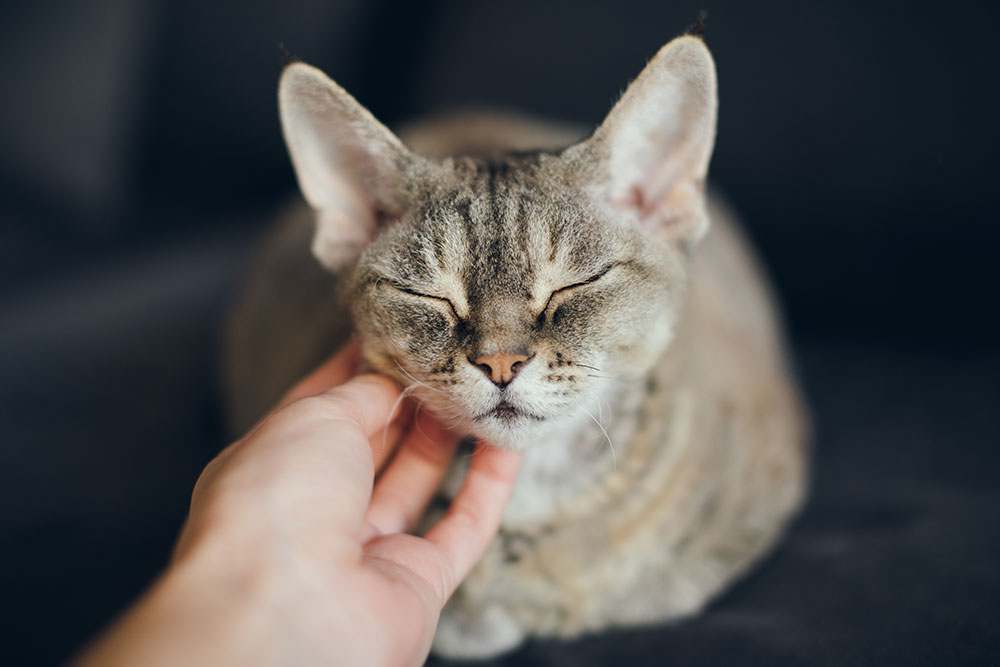
Separation anxiety is treatable with the right combination of training, enrichment, environmental support, and veterinary guidance. Early intervention prevents escalation and helps pets develop the confidence they need to feel secure when alone.
At Palm City Animal Medical Center, our team of talented professionals provides uncommonly exceptional veterinary medicine plus the best daycare and boarding in Palm City, all in a world-class facility. We offer comprehensive veterinary services, including behavioral consultations, to help pets and families navigate anxiety with compassion and expertise.
If your pet shows signs of separation anxiety, don’t wait for behaviors to worsen. Our experienced doctors are here to create a personalized plan that addresses your pet’s unique needs.
Contact us today to schedule a behavioral consultation and take the first step toward helping your pet feel safe, secure, and confident.


Leave A Comment